
Brazilian researcher Izabela Aleixo visits NAU 

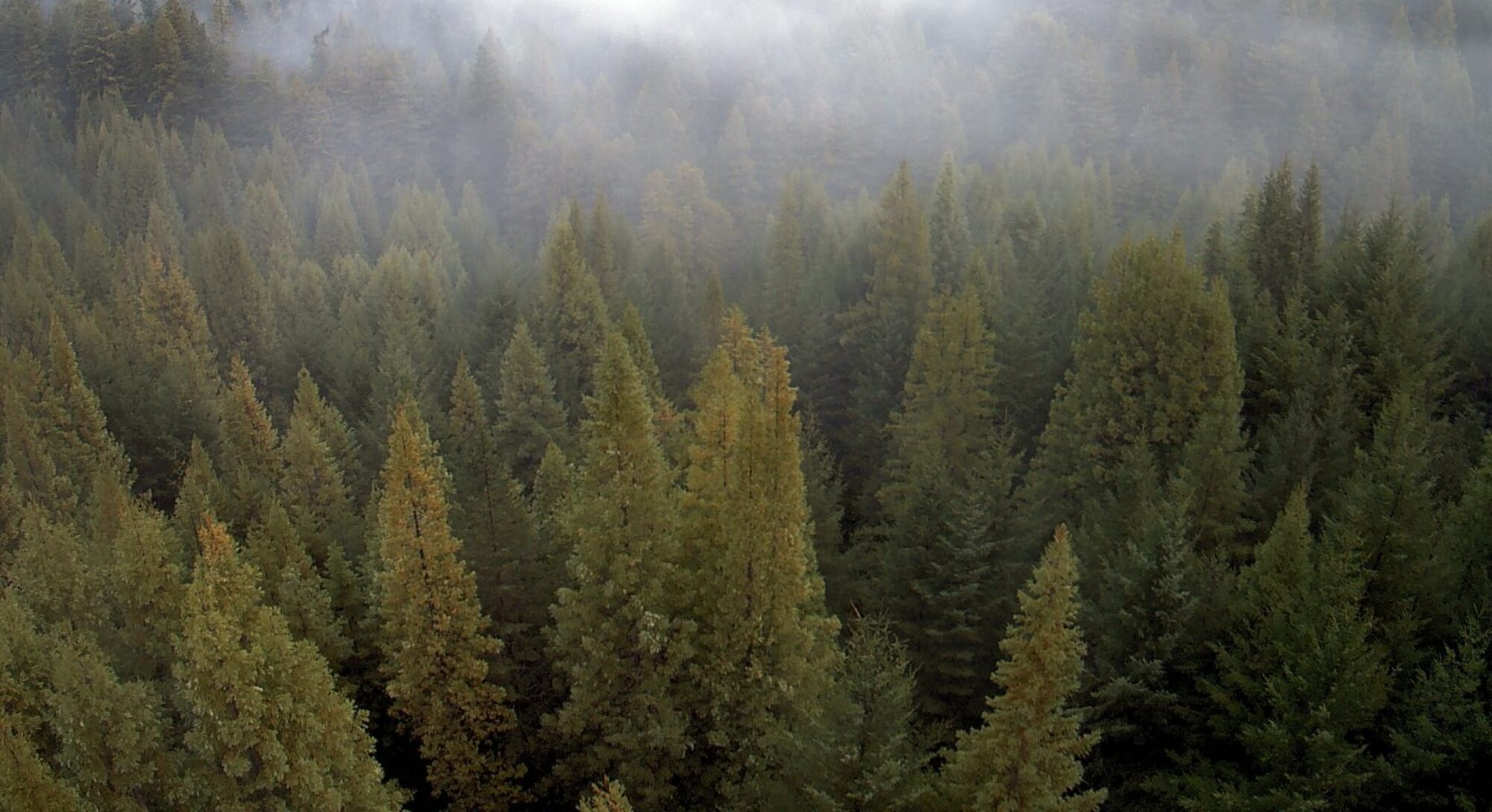
Already in Arizona to visit colleagues in Tucson, Brazilian forest engineer Izabela Aleixo, newly hired as a researcher at the National Institute for Amazonian Research (INPA), traveled to Flagstaff in early October. She presented her research in a seminar titled “Tropical Forests and Environmental Change: Insights from Long-Term Phenology and Large-Scale Experiments in the Central Amazon.”  Izabela’s work focuses on tree phenology, mortality, and forest dynamics in relation to climate change, and recently she is participating in several large-scale experiments.  In her talk, Izabela showed exciting preliminary data from the AmazonFACE experiment. These results provide early evidence of the potential effects of elevated CO₂ on plant physiology and forest functioning. The full-scale experiment is still being installed. 

During her brief visit, Izabela had dinner with students at Delhi Palace, enjoyed a happy hour at Mother Road, saw the impressively shiny MICADAS AMS for radiocarbon analysis, and visited Sunset Crater. 

20 y of PhenoCam imagery at Bartlet

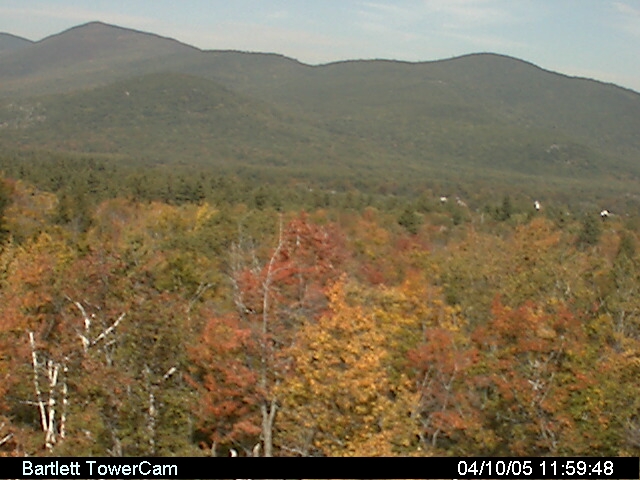
Hard to believe, but it’s been 20 years since a webcam was first put atop the Bartlett Experimental Forest AmeriFlux tower! The pictures from the Axis 211 weren’t great (the first recorded image, just before noon on October 4 2005 is shown below), but they were good enough. The data led to a 2007 paper in Oecologia that concluded “A network of cameras could offer a novel opportunity to implement a regional or national phenology monitoring program.” It turns out, that was a pretty good idea! This review paper in Agricultural and Forest Meteorology provides a more complete history of the PhenoCam network.

Keith receives coveted Golden PhenoCam award

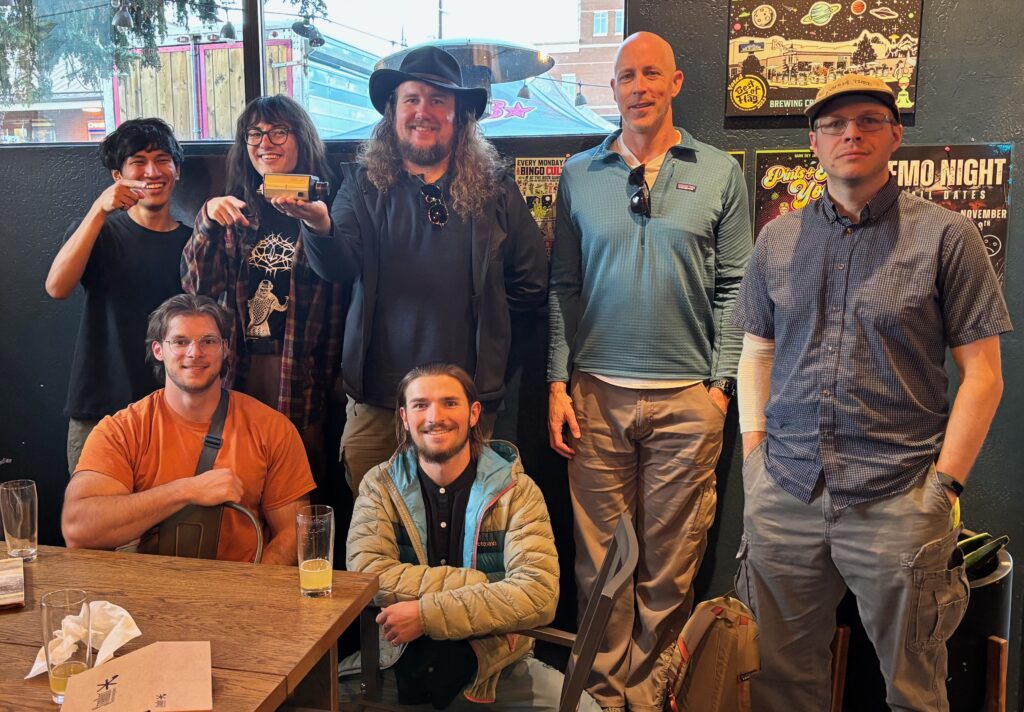
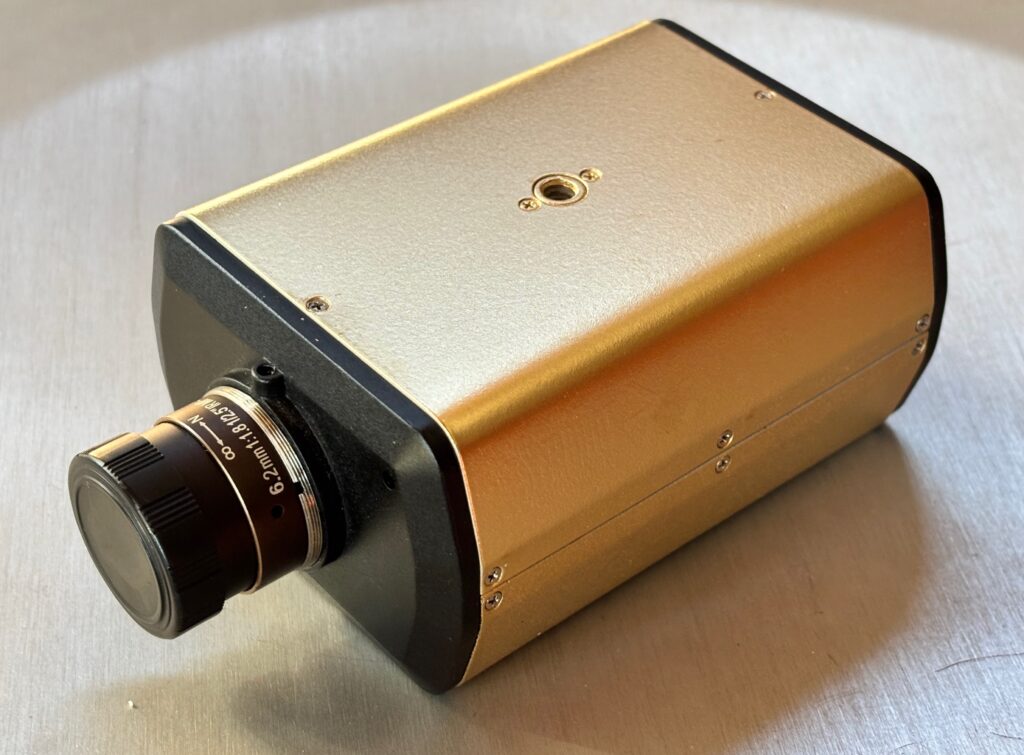
This week, core members of the PhenoCam team met up at Dark Sky Brewing to celebrate the recent acceptance in Earth System Science Data of the paper documenting V3 of the PhenoCam dataset. The dataset covers through the end of 2023 and contains almost 5000 site years of data. The data curation team did a super job vetting the phenological time series for each PhenoCam site included in the paper, but ultimately it was Keith’s wizardry with server and filesystem management, ability to dig in and resolve obscure edge-cases and bugs, and tenacity when it came to delivering approximately 40 TB of data and imagery to the ORNL DAAC, that was essential to the successful completion of this effort. For his invaluable contributions to the PhenoCam V3.0 dataset, Keith was awarded the coveted Golden PhenoCam. Thank you for all your efforts, Keith.

Jen wins Sanghi College award

Congratulations to Jen, who was selected as an Outstanding Graduate Student in the Steve Sanghi College of Engineering (SCE) for Fall 2025. SCE Dean Charles Chadwell summarized Jen’s exceptional accomplishments: “You were awarded the highly selective NASA FINESST fellowship to support your work, and you independently secured approximately $35,000 in funding to organize and lead an international workshop at Hat Ranch, bringing together 40 participants from 10 countries. The outcomes of this workshop were featured in AGU’s EOS news magazine, underscoring the impact of your efforts. Your scholarly contributions are already impressive, with your first paper published in Environmental Research Letters and a coauthored article in PNAS. You have also shared your research widely through oral presentations at venues such as the Flagstaff Gravity Lab, the 2024 AmeriFlux Meeting at UC Berkeley, Universidad de Sonora, the AGU Fall Meeting in Washington, DC, and the University of Plymouth in the UK. Your ability to secure funding, publish in top journals, and present internationally highlights your leadership, initiative, and the global relevance of your work.”

Great job, Jen!

Monsoon 2025 wrap-up

With the end of September marking the end of the water year, it’s a good time to look back on this year’s summer rainfall, and compare it to previous years. While the summer monsoon season “officially” runs from June 15 to September 30, it’s not like rain in May and early June doesn’t matter. So, the graph above compares cumulative precipitation over the period from May 1 to late October. And, although well into August it looked like 2025 might be a total dud, or what some call a “non-soon,” abundant rainfall over the last six weeks turned things around. As measured by a Campbell Scientific ClimaVue all-in-one weather station located in the Forestdale neighborhood of southeast Flagstaff, the official precipitation total from May 1 to today (October 1) is a very respectable 197.4 mm, or 7.8″. Compared to the previous 5 y, it’s almost three times as much as the ultra-dry summer of 2020, but about 40% less than the epically-wet summer of 2021.

Fun fact: The final September rain in Flagstaff brought the first autumn snow to the highest summits of the San Francisco peaks, although it melted away by mid-day.